6 Most Common Causes of Low Water Pressure
Low Water Pressure: The 6 Most Common Causes and How to Fix Them
Table of Contents:
What Is Normal Water Pressure in Australia?
The 6 Most Common Causes of Low Water Pressure
- Blocked Aerators and Showerheads
- Partially Closed Valves
- Corroded or Scaled Pipes
- Faulty Pressure Limiting Valve
- Hidden Leaks
- Mains and Infrastructure Issues
A Quick Way to Narrow Down the Cause
Need a Hand With Low Water Pressure?
Frequently Asked Questions About Low Water Pressure
Nothing ruins a morning like a weak shower. You're standing there, half-awake, waiting for water that barely trickles out. Sounds familiar?
Low water pressure is one of the most common plumbing complaints in Canberra homes. The good news? Many causes are easy to diagnose, and some you can even fix yourself. Let's walk through what is probably going on and what you can do about it.
First Up: What's Normal?
Australian plumbing should deliver water at 300-500 kPa. If the pressure drops below 300 kPa, you’ll see issues with showers, dishwashers, and garden irrigation.
Here's something many homeowners don't realise. Since November 2005, all new homes need a Pressure Limiting Valve (PLV) if the mains pressure is over 500 kPa. That's because many Australian streets actually deliver 900+ kPa at the boundary. Too much pressure is just as problematic as too little.
So if your home was built after 2005 and you're experiencing low pressure everywhere, that PLV is worth investigating.
The 6 Most Common Causes (And What to Do)
Here are some of the most common causes of low water pressure, and some practical ways on how to fix them.
1. Blocked Aerators and Showerheads
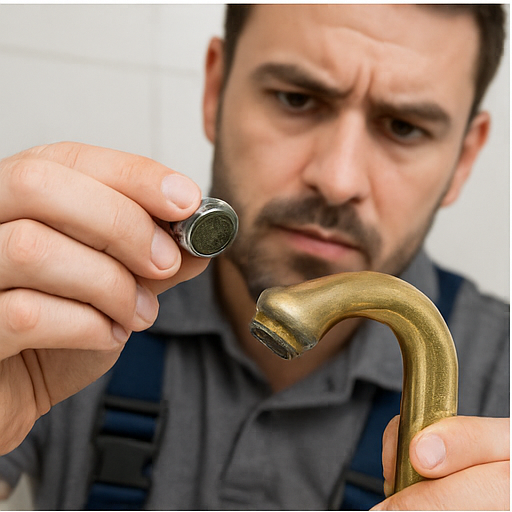
This is the easiest fix on the list. That little mesh screen on your tap? It catches debris and minerals. Over time, especially in hard water areas, it gets clogged.
The fix: Unscrew the aerator from your tap, soak it overnight in white vinegar, scrub with an old toothbrush, and pop it back on. You'll often notice an immediate difference.
Same goes for showerheads. Remove the head, soak in a 50/50 mix of vinegar and water for 24 hours, scrub the jets, then rinse. For fixed showerheads, secure a vinegar-filled plastic bag around the head overnight with a rubber band.
This is completely legal DIY work and costs you nothing but a bit of vinegar.
2. Partially Closed Valves
You'd be surprised at how often this is the culprit. Valves get left partially closed after maintenance work, and everyone forgets about them.
The fix: Check three spots. Your main stop tap at the property boundary. The valve near your meter. And all the little isolation valves under sinks and behind toilets. Make sure they're fully open. Once you've opened them completely, back off a quarter turn to stop the valve from seizing in future.
Again, no plumber is needed for this one.
3. Corroded or Scaled Pipes
If your home was built before the 1980s, there's a decent chance you've got galvanised steel pipes. These corrode from the inside out. Rust builds up gradually, and pipes can lose over 50% of their internal diameter. That's half your water flow, gone.
Hard water regions make this worse by accelerating mineral scaling in both pipes and fixtures.
The fix: Unfortunately, this one needs a professional. Pipe relining or replacement is licensed work. But knowing this is likely the issue helps you have an informed conversation with your plumber about options.
4. Faulty Pressure Limiting Valve
Remember that PLV we mentioned? These valves should be replaced every 5-10 years. When they fail, they often fail in the closed position, which strangles the supply to your entire house.
If you've got low pressure everywhere and your home was built after 2005, a failing PLV is often the simplest explanation.
The fix: PLV testing, adjustment, and replacement require a licensed plumber. It's one of the most overlooked maintenance items in Australian homes.
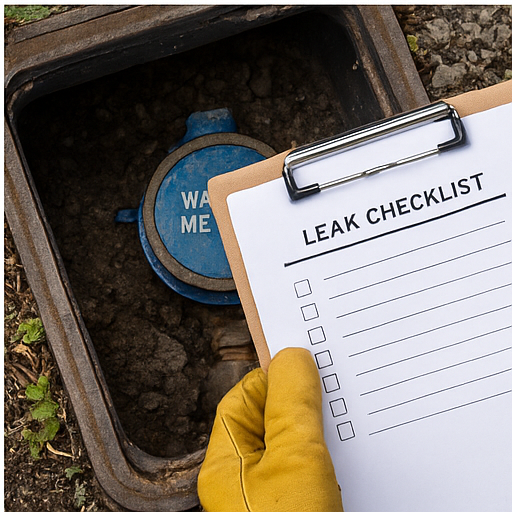
Leaks steal pressure. Even a slow drip wastes 9,000 litres a year, while larger hidden leaks can consume 60,000 litres. That's water (and pressure) disappearing before it reaches your taps.
How to check: Record your water meter reading, use absolutely no water for 30-60 minutes, then check if the reading has changed. Many meters also have a small leak indicator dial that spins even with tiny flows.
Other signs to watch for: green patches in lawns, damp walls, or unexplained mold growth.
The fix: If you suspect a concealed or underground leak, call a plumber. Leak detection services can pinpoint exactly where the problem is without tearing up your property.
6. Mains and Infrastructure Issues
Sometimes it's not your plumbing at all. Aging water mains, planned maintenance, and main breaks can drop pressure in entire neighbourhoods.
How to check: Ask your neighbours. If they're experiencing the same issue, it's almost certainly a mains problem. Check your water authority's website for outage notifications or call their 24/7 faults line.
Peak usage times (7-10am and 5-10pm) also reliably reduce pressure across networks. Hot summer days are worse, with everyone watering gardens and filling pools.
The fix: If it's a mains issue, contact your water authority. They maintain infrastructure up to your meter.
A Quick Way to Narrow It Down
Before you do anything else, ask yourself: is low pressure affecting every tap, or just specific fixtures?
This single question tells you a lot.
| What you're seeing | What it probably means |
|---|---|
| Low pressure everywhere, sudden. | Mains issue, closed valve, or major leak. |
| Low pressure everywhere, gradual. | Failing PLV, corroding pipes, or buildup. |
| Low pressure at one tap only. | Blocked aerator. |
| Low shower pressure only. | Blocked showerhead. |
| Low hot water only. | Hot water system problem. |
When to Call a Plumber
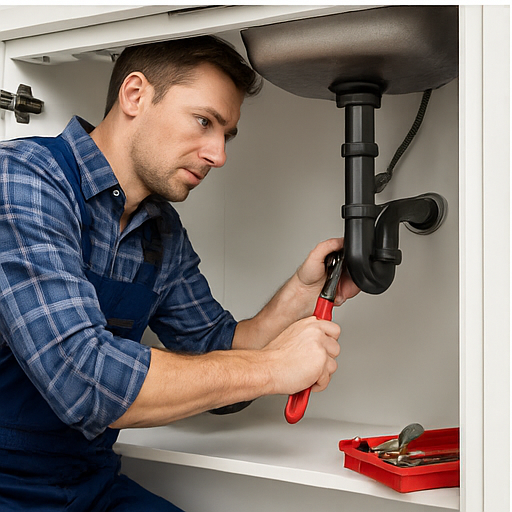
Australian regulations are strict about what homeowners can and can't do. You can clean aerators, descale showerheads, replace basic tap washers, and open valves. That's about it.
You can't legally install or fix hot water systems.
This includes:
- Working on water supply pipes.
- Installing pressure pumps.
- Replacing PLVs.
- Changing plumbing connections
Penalties for unlicensed plumbing work can reach $22,000 in some states.
Call a licensed plumber when:
- DIY cleaning and valve checks haven't fixed the issue.
- You suspect concealed or underground leaks.
- Your PLV needs testing or replacement.
- Pipes need assessment for corrosion.
- Your hot water system needs attention.
Need a hand?
If you've worked through the DIY fixes and you're still getting weak flow, give us a call. We'll diagnose the problem, explain your options in plain English, and give you an upfront quote before any work starts.
No hidden costs. No jargon. Just reliable plumbing that gets your water pressure back to where it should be.
Call J&J Plumbing Services on 0482 426 979 or request a free quote online.
Frequently Asked Questions
Why is my water pressure suddenly low?
Sudden drops in water pressure are usually caused by a partially closed valve, a burst or leaking pipe, or a temporary issue with the water mains. If all taps are affected at once, it’s best to check your main valve and ask neighbours if they’re experiencing the same problem.
Can low water pressure damage my plumbing or appliances?
Yes, ongoing low pressure can put extra strain on hot water systems, washing machines, and dishwashers. In some cases, it can also indicate underlying issues like pipe corrosion or hidden leaks that worsen over time if ignored.
Is low water pressure a plumbing emergency?
Low water pressure isn’t always an emergency, but it should not be ignored. If the pressure drops suddenly, affects your entire home, or is combined with signs of leaks or damp patches, it’s best to call a licensed plumber as soon as possible.
Can I install a water pressure pump to fix low pressure?
In Australia, installing pressure pumps is licensed plumbing work. A pump may help in some situations, but it’s not always the right solution. A plumber should first check for blocked fixtures, failing pressure limiting valves, leaks, or pipe damage before recommending a pump.
How do I know if my pressure limiting valve is failing?
A failing pressure limiting valve often causes low pressure throughout the entire house. If your home was built after 2005 and you’re experiencing gradual pressure loss everywhere, a worn or faulty PLV is a common cause and should be inspected by a licensed plumber.
Why is my hot water pressure lower than my cold water pressure?
Low hot water pressure only is usually linked to the hot water system itself, internal valve issues, or scale buildup. This is not something homeowners can legally repair, so a licensed plumber should assess the system.