Signs Your Pipes Are Already Compromised
Tree Roots vs Drains: The Signs Your Pipes Are Already Compromised
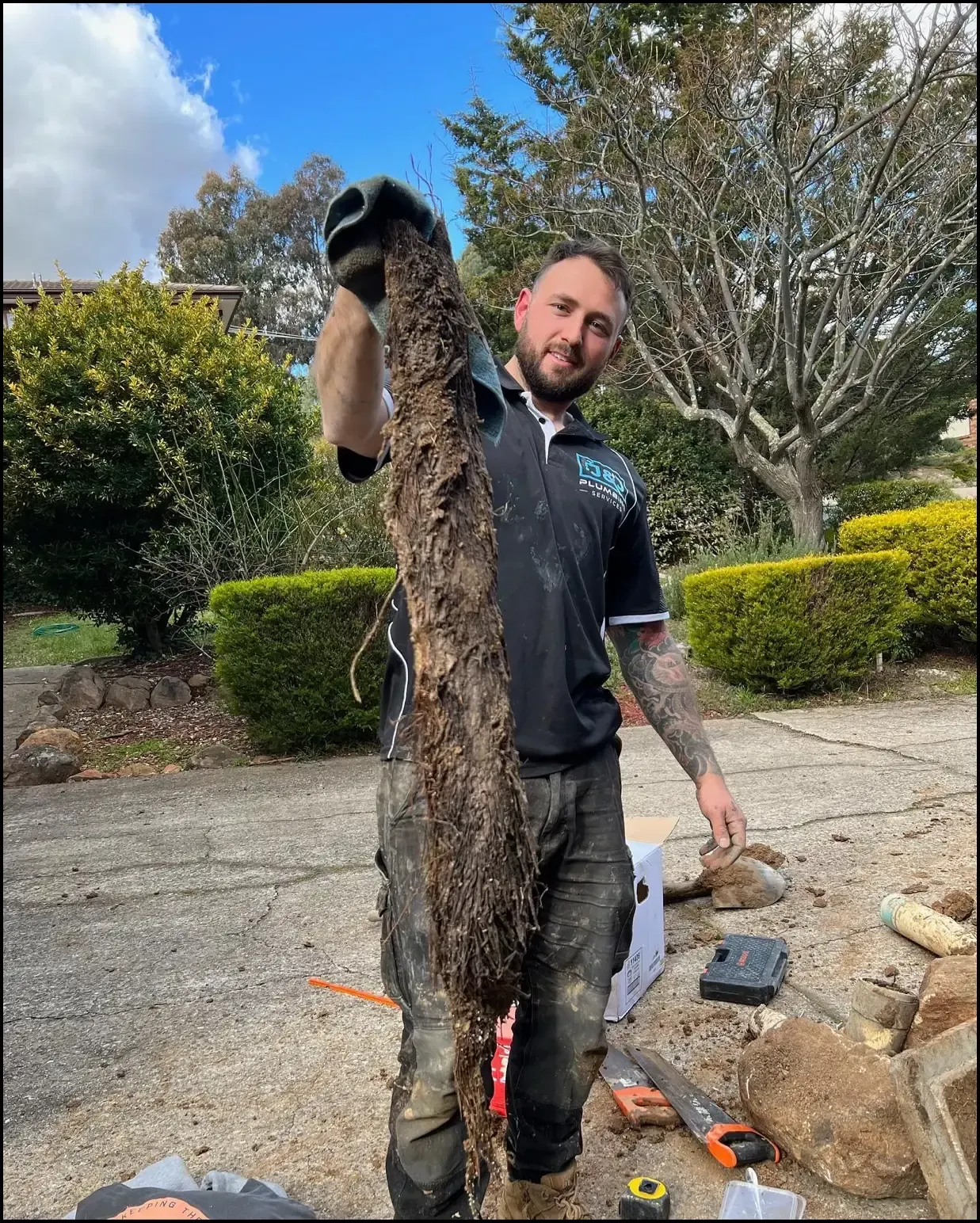
Tree roots are responsible for up to 80% of sewage overflows across Australia. That's not a typo. Trees are the main cause of blocked drains. If you have a home with established trees nearby, your pipes might already be at risk.
Most homeowners don’t notice a problem until raw sewage backs up into their laundry. Or, they might smell something like a public toilet in their yard. By then, you're looking at emergency callouts and potentially thousands of dollars in repairs.
Here's how to spot the warning signs before things get that bad.
Why trees love your pipes
To understand what you're looking for, it helps to know why trees go after your plumbing in the first place.
Your underground pipes are basically a tree's dream come true. They're dark, moist, and filled with organic matter. Even when pipes are fully intact, they create condensation on the outside that travels through the soil. Tree roots pick up on this moisture and follow it straight to the source.
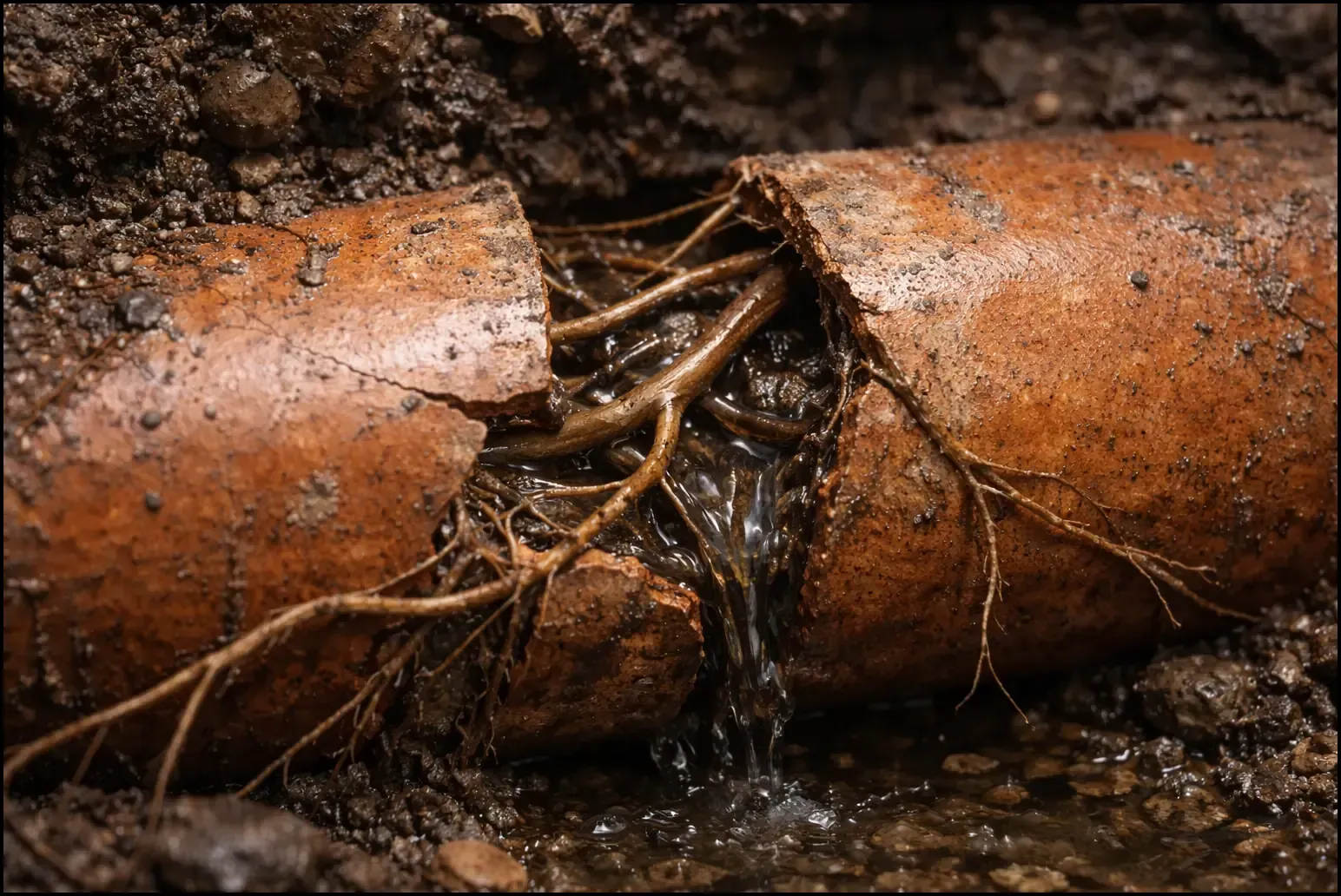
Once roots find your pipes, they don't need much of an invitation to get inside. Research from the University of Melbourne found that eucalyptus and bottlebrush roots can fit through cracks as tiny as 0.04mm. That's essentially invisible to the naked eye. A tiny crack, a deteriorated joint, a failed rubber seal. Any of these is enough.
And here's the kicker. A mature tree's roots can spread two to three times the diameter of its canopy. So that gum tree you thought was planted at a safe distance? Its roots might already be wrapped around your sewer line.
The warning signs you shouldn't ignore
Catching root intrusion early can save you thousands. Here's what to watch for.
Your drains are running slow across the house. This is usually one of the first things people notice. Roots grow in pipes, creating dense blockages. These blockages slow everything down. If it's just one sink, you might have a localised issue. If several fixtures are draining slowly at once, like your kitchen sink, shower, and toilet. It likely means there's an issue with your main line.
You're hearing gurgling or bubbling sounds. That distinctive gurgling noise happens when water has to fight its way through a partially blocked pipe. Air pockets form around the obstruction and create those bubbling sounds. You'll often hear it when you flush the toilet or empty the bath. It's not your house settling. It's your pipes telling you something's wrong.
There's a sewage smell you can't explain. When roots block your pipes, waste gets trapped and starts decomposing right there in the line. The smell can seep up through your drains and spread through the property. It tends to get worse in warmer weather, which is great timing given Australian summers.
Part of your lawn looks suspiciously healthy. This one catches people off guard. If you've got a patch of grass that's noticeably greener and lusher than the rest of your yard, it might not be good news. When roots crack pipes and create leaks, that area gets a constant supply of moisture and nutrients. Plumbers call it a dead giveaway. The grass near the damage thrives while everything else looks normal or even stressed.
You keep calling a plumber for the same blockage. If you're getting the same drain cleared multiple times a year, roots have almost certainly found a permanent way in. Standard clearing methods only provide temporary relief because the structural damage that let the roots in hasn't been fixed. You're basically trimming the roots back each time, but they just grow right back.
There are sinkholes or soft spots in your yard. This is the serious end of the spectrum. When root damage gets bad enough to crack and collapse pipes, water saturates the surrounding soil until the ground caves in. If you notice depressions forming near where your sewer line runs, don't wait. Get it looked at.
Your water bill has jumped for no reason. Roots don't just block pipes. They can breach them entirely, letting water escape underground before it reaches where it's supposed to go. If your usage hasn't changed but your bill has climbed, a leak somewhere in your system could be the cause.
Why this problem is worse in Australia
Australian conditions are basically perfect for tree root intrusion, and that's not a compliment.
Our reactive clay soils expand and contract with moisture changes, and this ground movement can crack pipe joints over time. Over 50% of metropolitan Melbourne is on moderately reactive soil. Similar soil conditions are found in Adelaide's foothills, Sydney's Hills District, and Brisbane's western suburbs.
Then there's drought. During dry periods, tree roots become aggressive in their search for water. Your sewer line, carrying around 300 litres per person daily, becomes an irresistible target. Root blockages spike during dry seasons specifically because trees get desperate.
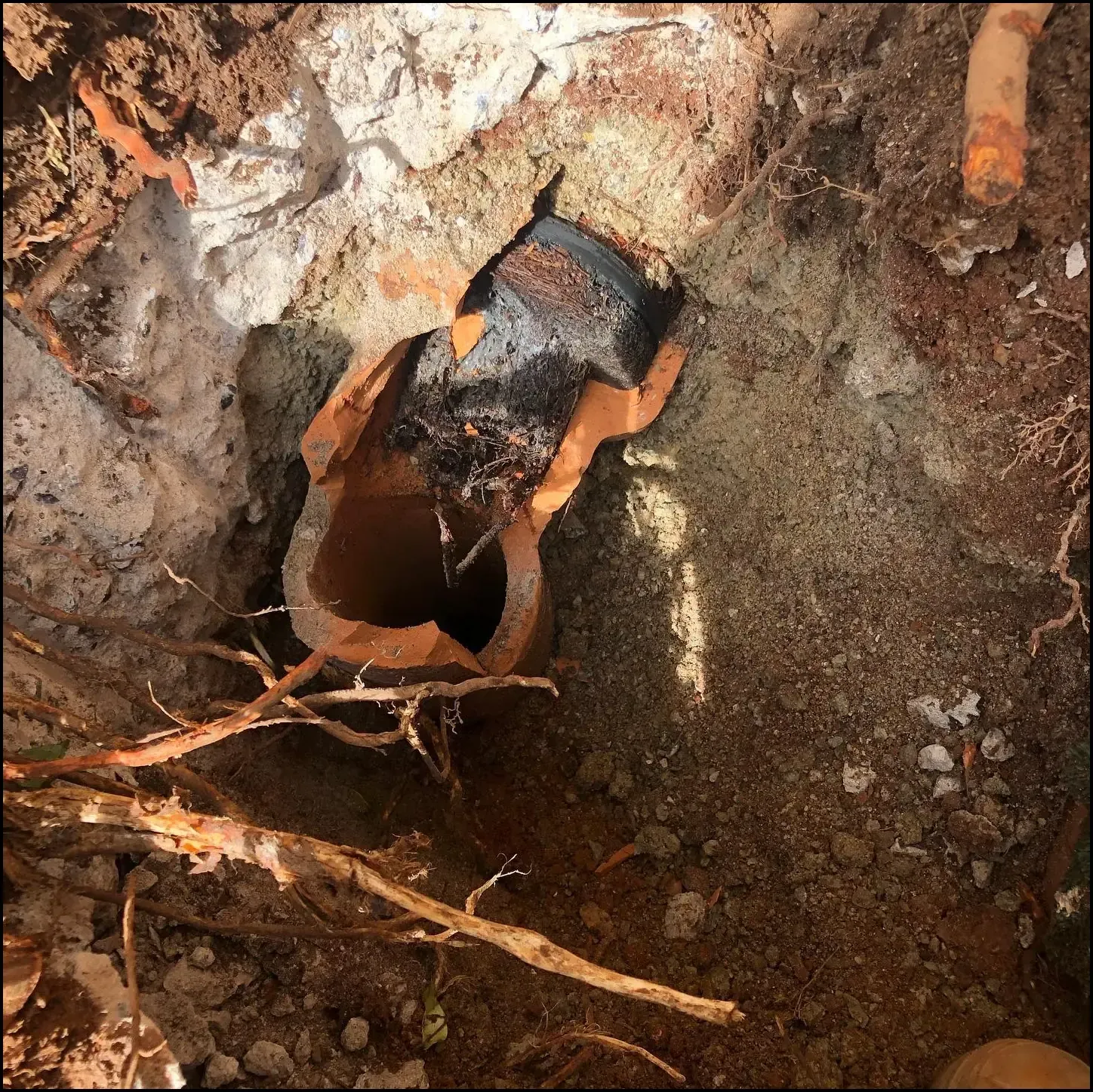
And if your home was built before 1980, you've likely got clay or earthenware pipes laid in short sections with rubber and cement seals. After 30 to 50 years, those seals break down, creating multiple entry points for roots. Modern PVC pipes come in 6 metre lengths with glued joints, but older systems have a joint every 900mm to 1200mm. That's a lot of potential weak spots.
What to do if you spot the signs
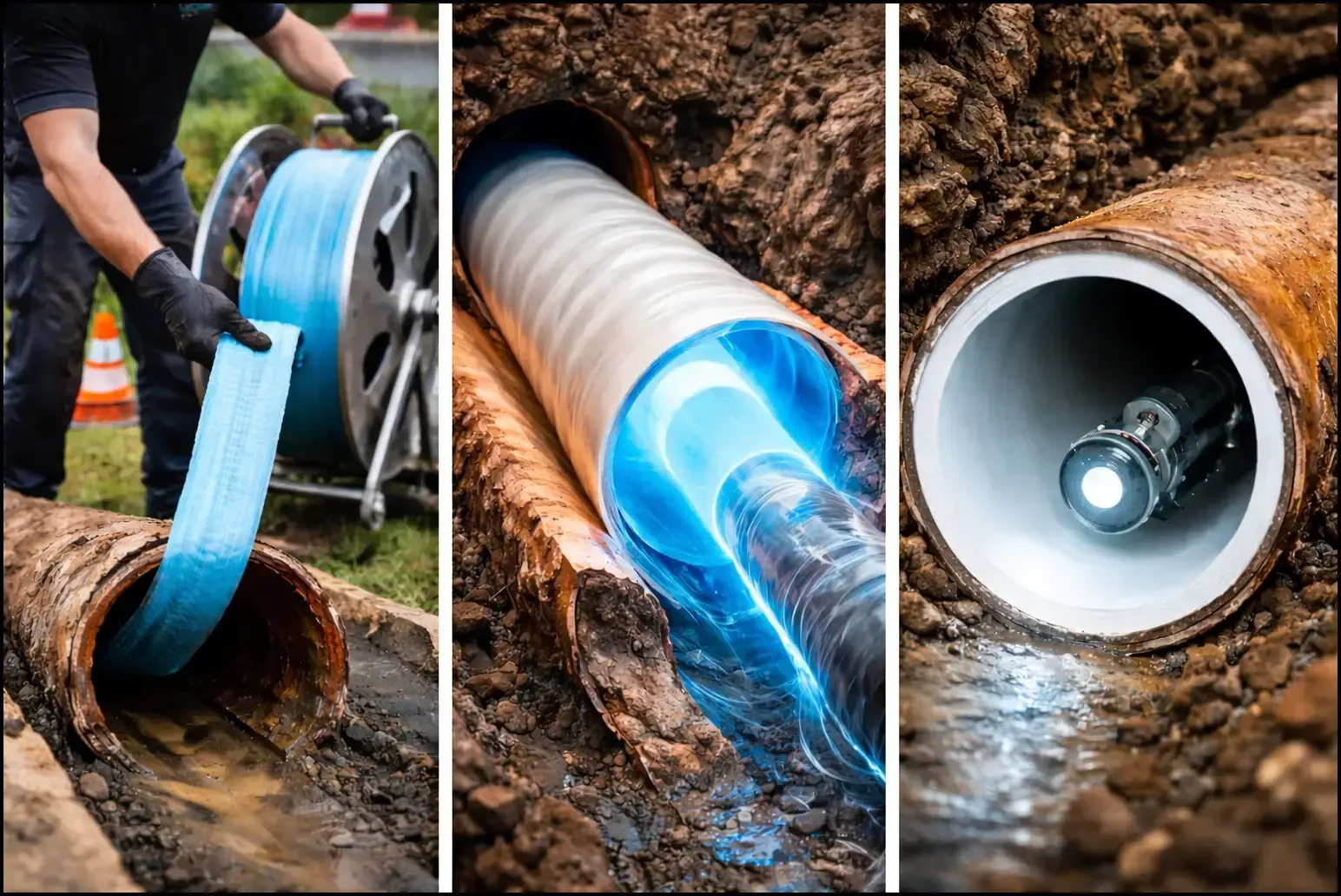
If any of this sounds familiar, the smartest move is getting a CCTV drain inspection. A plumber feeds a camera through your pipes to see exactly what's happening inside, no digging required. It typically costs between $250 and $550 depending on access and whether any clearing is needed first.
That investment can identify problems before they turn into five figure emergencies. Because once pipes need relining or full replacement, you're looking at anywhere from $1,000 to $50,000 depending on how bad things have gotten.
The bottom line? Don't ignore the early signs. Slow drains, strange sounds, and odd smells are your pipes asking for help. Listen to them.
Frequently Asked Questions
Can tree roots really damage my pipes if the tree looks healthy?
Yes. Healthy trees are often the worst offenders. Strong root systems actively seek out moisture, and your pipes are an easy target.
How quickly can tree roots block a drain?
Once roots find a crack or joint, they can cause noticeable problems within months. In some cases, it happens even faster during dry periods.
Are newer homes safe from tree root intrusion?
Newer PVC pipes are more resistant, but they are not immune. Poor installation, shifting soil, or nearby mature trees can still create issues.
Do chemical drain cleaners kill tree roots?
They may slow growth temporarily, but they do not fix the damaged pipe. Roots usually grow back, often thicker than before.
Is a slow drain always caused by tree roots?
Not always. Grease, wipes, and debris can also cause blockages. But if multiple drains are slow at once, roots are a strong possibility.
What trees are most likely to invade sewer pipes in Australia?
Eucalyptus, bottlebrush, fig trees, willows, and some palms are common culprits due to aggressive root systems.
How do plumbers confirm tree roots are the problem?
A CCTV drain inspection shows exactly where roots have entered and how severe the damage is, without digging up your yard.
When should I call a plumber about suspected tree roots?
As soon as you notice recurring blockages, strange smells, or slow drainage across the house. Early action can save thousands.