Emergency Plumbing: What to Do in the First 5 Minutes Before Calling a Plumber
Table of Contents:
Find Your Water Shut Off Valve
What to Do If You Have a Burst Pipe
Gas Leaks: What to Do Immediately
Blocked Drains and Sewer Overflows
Electrical Safety During Plumbing Emergencies
Contain the Damage While You Wait
Water's gushing. You're panicking. The clock is ticking.
In a plumbing emergency, the first five minutes are crucial. They can turn a small mess into a costly disaster. Before you call a plumber, there are critical steps you can take right now to protect your Canberra home.
Here's exactly what to do.
The single most important action in any plumbing emergency is turning off the water at the main valve. Everything else comes second.
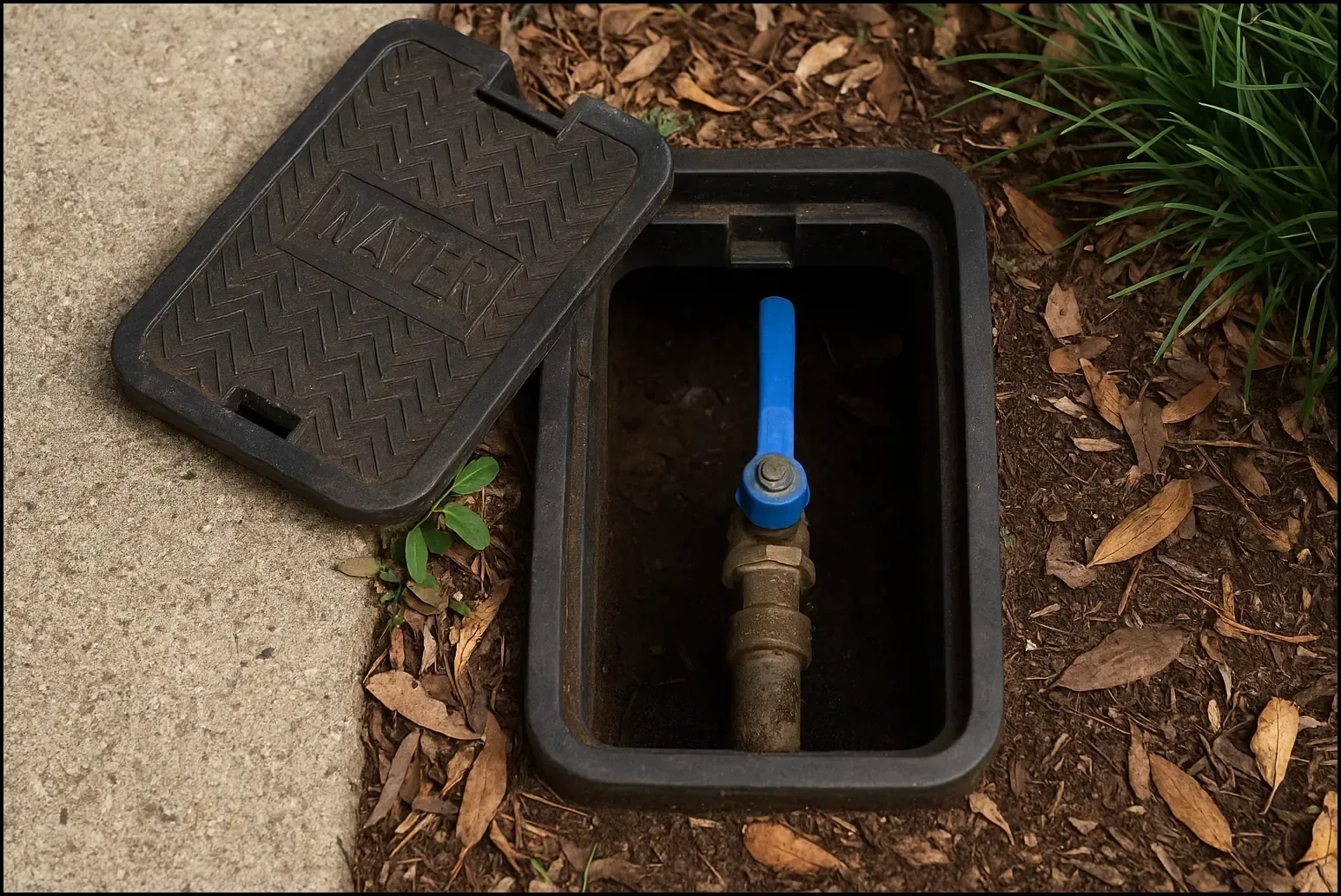
In most Canberra homes, your main water shut-off valve sits inside the water meter box at the front boundary of your property. Look near the footpath, in garden beds, or on the nature strip. Newer homes usually have a black or green plastic cover. Older properties might have a concrete or metal lid, often marked with a water company symbol or the word "Water."
You'll need a flathead screwdriver to pry the cover open.
A quick warning for Canberra homeowners: spiders, insects, and occasionally snakes like to shelter in meter boxes. Use a torch to check inside before reaching in. If there's rainwater pooled at the bottom, bail it out with a cup so you can see clearly.
Know your valve type
Not all shut-off valves work the same way. Here's what you might find:
Ball valves are common in modern homes. They have a lever handle and only need a quarter turn (90 degrees) clockwise to close. When the handle sits perpendicular to the pipe, the water's off.
T-top isolation taps are typical in mid-age homes. These have T-shaped handles and need multiple clockwise turns until fully closed.
Gate valves are the oldest type. They look like wheel-shaped handles and can take 10 to 20 complete rotations to close.
Your shut-off valve is always on the house side of the meter, closest to your property.
Once you've closed the valve, open a tap inside to confirm it worked. If water keeps flowing after several seconds, the valve may be faulty. Call your water authority straight away.
Burst pipe? Act fast
A burst pipe demands immediate action. Every second counts.
First, shut off the water main. Then check if water has reached any electrical areas. If it has, turn off the power at the switchboard, but only if it's safe to do so. Never step into standing water to reach your switchboard.
Once the water's off, open all taps to drain the remaining water from your pipes. Start with cold taps upstairs and work down. Then do the hot taps. Flush toilets and open garden taps to fully depressurize the system.
Try to locate the burst by listening for hissing sounds or looking for water pooling, damp patches, or dripping from ceilings.
Quick tip: if the burst is on the footpath side of your water meter (toward the road), it's actually your water authority's responsibility, not yours.
Hot water system failure
For electric hot water systems, turn off power at the circuit breaker first. It's usually labeled "HWS" or "Hot Water." Then close the water isolation valve on the cold water inlet pipe leading into the tank. Turn the black knob clockwise, or flip the lever 90 degrees.
Never remove electrical covers or expose bare wiring. If your cylinder is leaking, it usually means the tank has failed and needs replacing.
For gas hot water systems, turn the gas control knob to "OFF" first, then close the water isolation valve.
If you smell gas, stop everything. Do not try to relight the pilot. Evacuate immediately and call 1800 GAS LEAK (1800 427 532).
Gas leak? Get out
Gas leaks are serious. If you smell gas, do not turn on any electrical switches, lights, or appliances. Even a small spark can cause an explosion. Don't use your mobile phone inside the building either.
Turn off the gas supply at the meter with a quarter turn until the handle sits perpendicular to the pipe. Open all doors and windows. Get everyone out and move at least 100 metres away.
Call 000 if you smell strong gas and can't stop the leak, if anyone feels unwell, or if there's fire risk. For less urgent situations, call 1800 GAS LEAK.
Blocked drains
When drains overflow, stop using all water immediately. No flushing toilets. No sinks. Turn off dishwashers and washing machines.
Check your Overflow Relief Gully (ORG). It's a round 100mm grated drain outside, usually near your bathroom or laundry. If it's dry, the blockage is in your private pipes. If it's filling with water, the problem might be in the water authority's network.
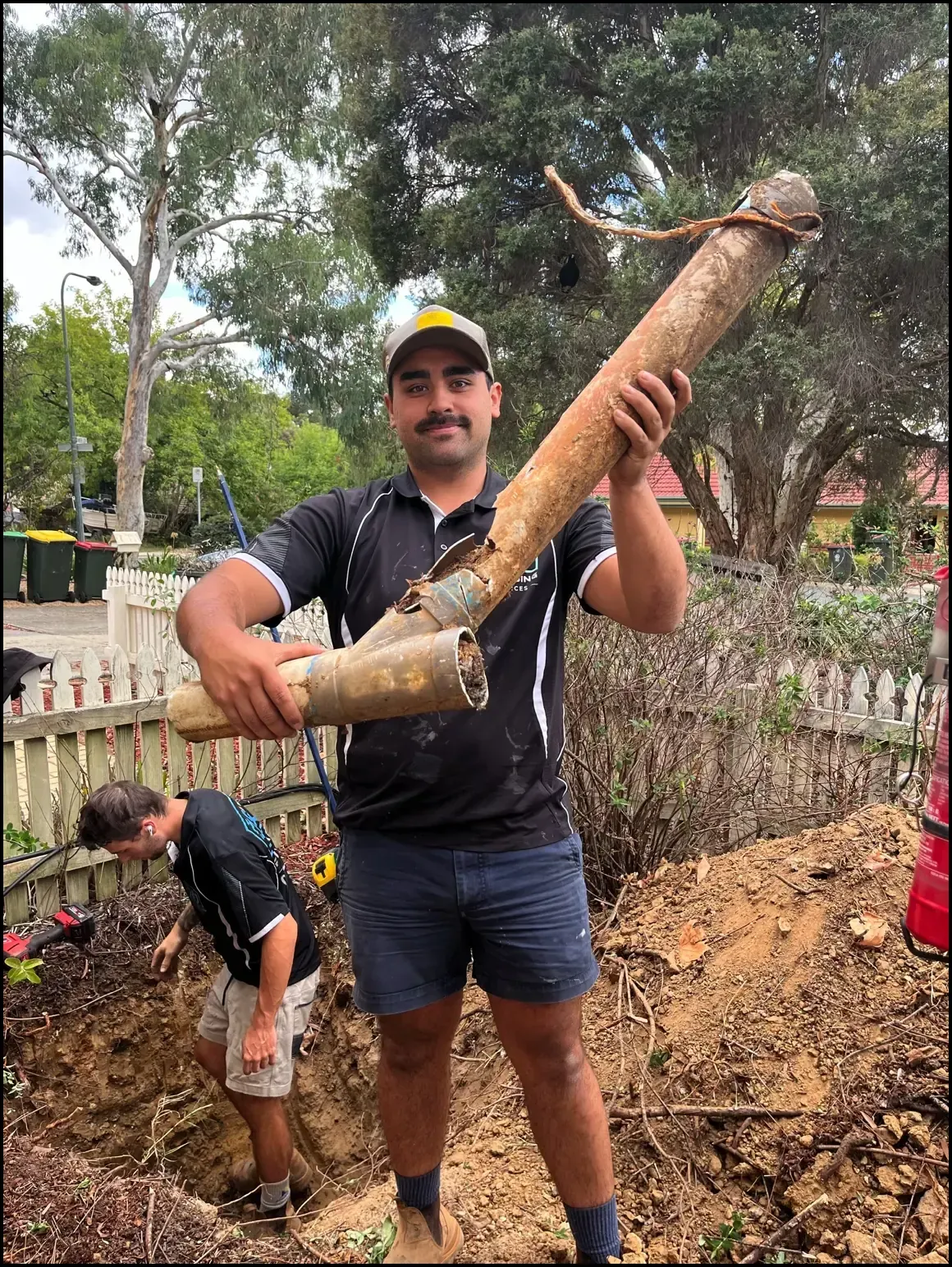
Good to know: tree root intrusion is the most common cause of sewer blockages in established suburbs. Figs, poplars, willows, and eucalyptus are the worst offenders
Don't forget electrical safety
Water and electricity are a dangerous combination. Turn off power at the main switchboard if water is near powerpoints, electrical outlets, or appliances. Your switchboard is usually near the front entry or in the garage.
Never touch the switchboard if you're standing in water or your hands are wet. If the switchboard is in a flooded area, wait for a licensed electrician.
After a water emergency, check all affected electrical connections and appliances. A licensed electrician should inspect them before you use them again.
While you wait: contain and document
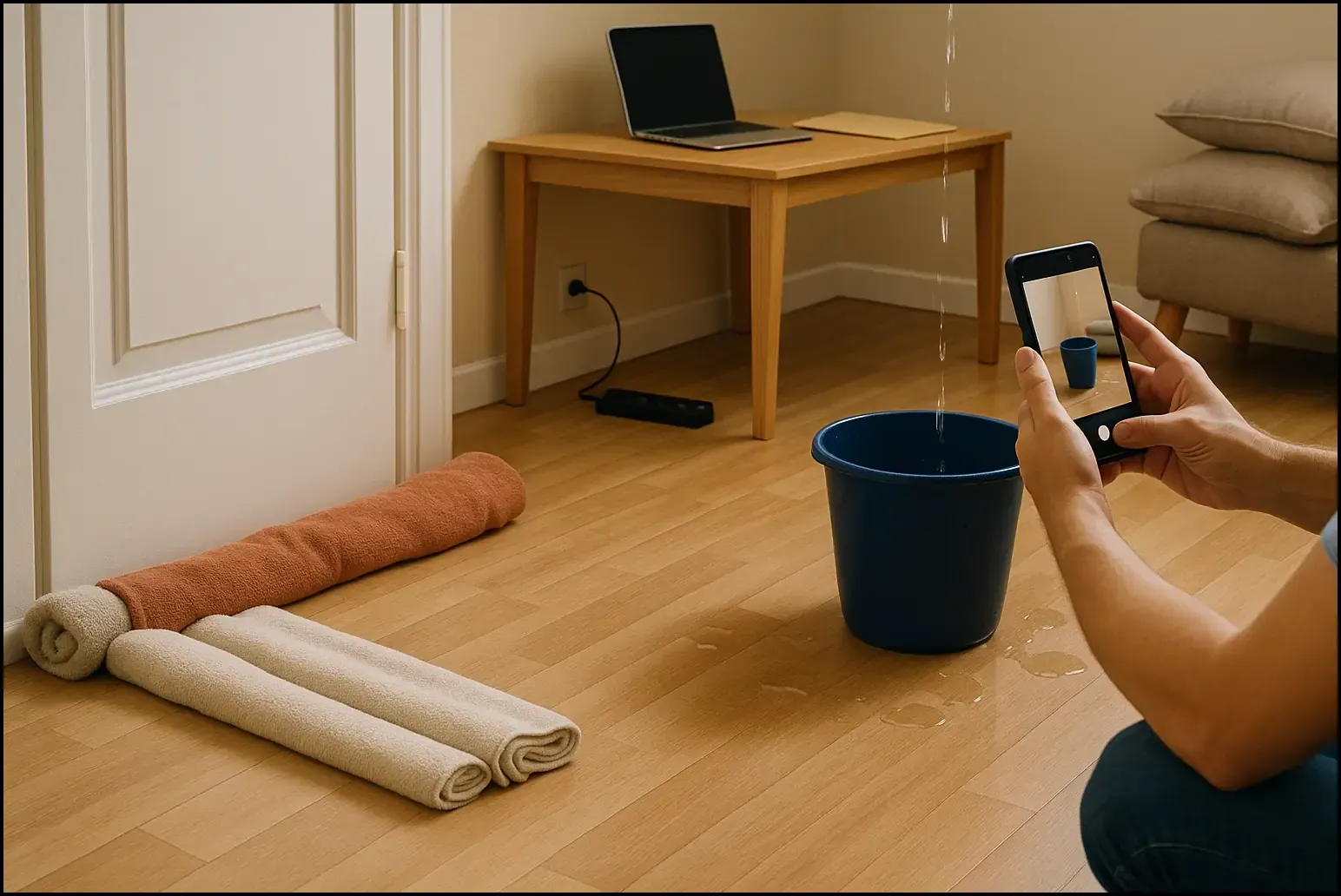
Grab towels and blankets to create barriers and stop water from spreading. Put buckets under active drips. Block doorways with rolled towels.
Move electronics first, then important documents and photos, then soft furnishings.
Before you clean anything up, take photos and videos of all damage from multiple angles. Photograph the source of the leak if you can see it. Keep receipts for any emergency repairs and hold onto failed parts for your insurer.
Report damage to your insurer within 24 hours. Sudden and accidental water damage is typically covered. Damage from long-term neglected leaks often isn't.
What to tell your plumber
When you call, be ready with this info:
- The specific problem and location
- Your home's age
- Whether you've turned off water or gas
- Access details, like locked gates or pets
- When the problem started
Sending photos ahead helps plumbers diagnose the issue remotely and arrive with the right parts.
Be prepared before emergencies happen
The best time to find your water meter is not during a crisis. Go locate it today. Test your shut-off valve every six to twelve months to make sure it hasn't seized. Keep a flathead screwdriver, torch, and rubber gloves near your meter box.
When an emergency does strike, J&J Plumbing Services offers 24/7 rapid response across Canberra and surrounds. Our team arrives with the right tools to isolate, repair, and clean up.
Frequently asked questions
What counts as a plumbing emergency?
Any issue that risks flooding, property damage, gas exposure, or loss of essential services like water or hot water is an emergency.
Where is my water shut off valve usually located?
In most Canberra homes, it is inside the water meter box at the front boundary near the footpath or nature strip.
What if I cannot turn the water off?
If the valve will not close or water keeps flowing, contact your water authority straight away and then call an emergency plumber.
Should I turn off the power during a water leak?
Yes, if water is near electrical points. Only do this if it is safe and you are not standing in water.
Is a burst pipe always my responsibility?
No. If the burst is on the street side of the water meter, it is usually the water authority’s responsibility.
What should I do if my hot water system is leaking?
Turn off the power or gas first, then shut off the water supply to the system. A leaking tank often means replacement is needed.
What do I do if I smell gas?
Leave immediately, turn off the gas at the meter if safe, and call 1800 GAS LEAK or 000 if there is immediate danger.
Can I use drain cleaner for a blocked drain?
Avoid it. Chemical cleaners can damage pipes and make the problem worse. Stop using water and call a plumber.
Will my insurance cover water damage?
Sudden and accidental damage is usually covered. Long term leaks are often excluded. Always document the damage first.
What information should I give the plumber when I call?
Explain the issue, when it started, whether water or gas is off, your home’s age, and any access details. Photos help a lot.